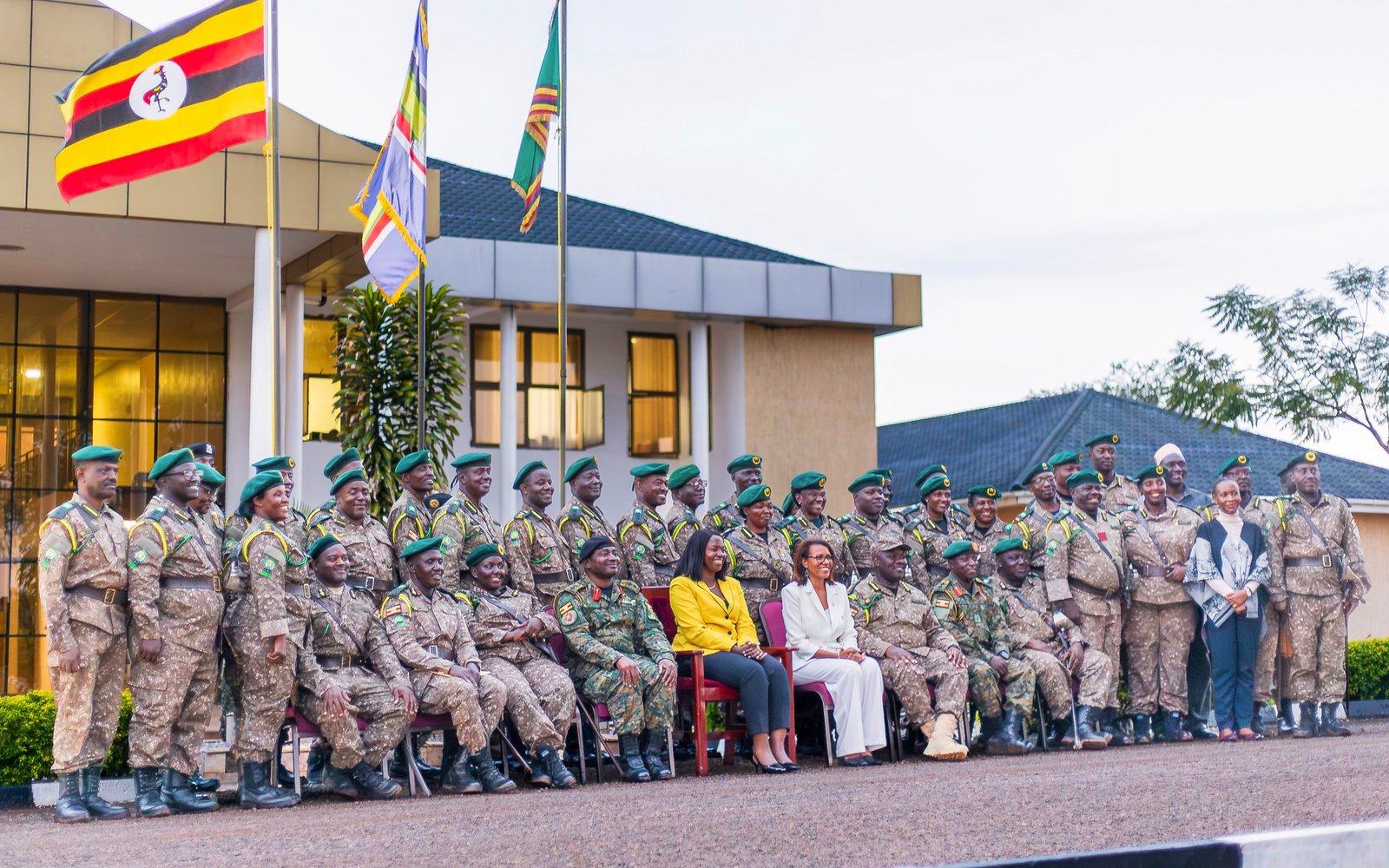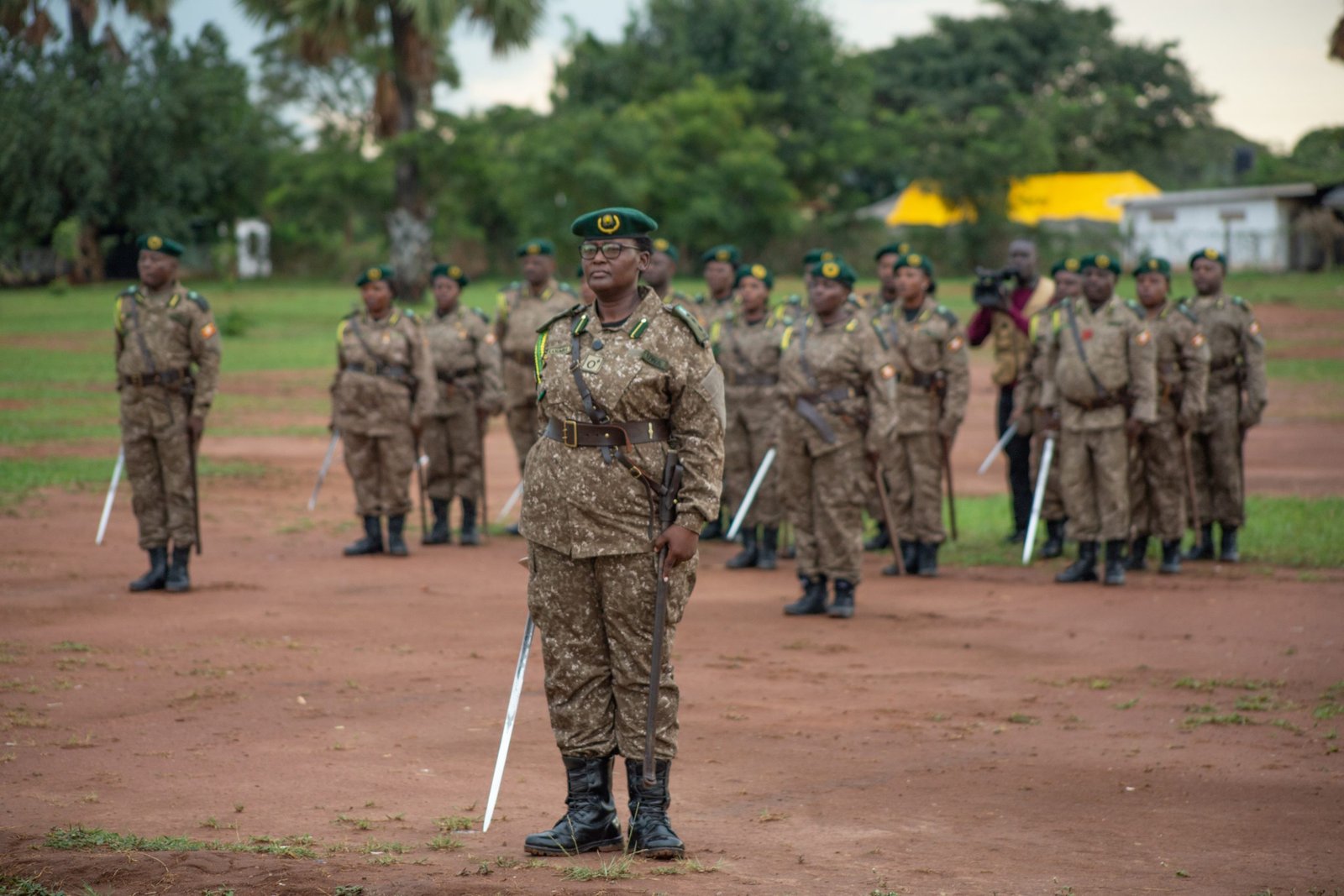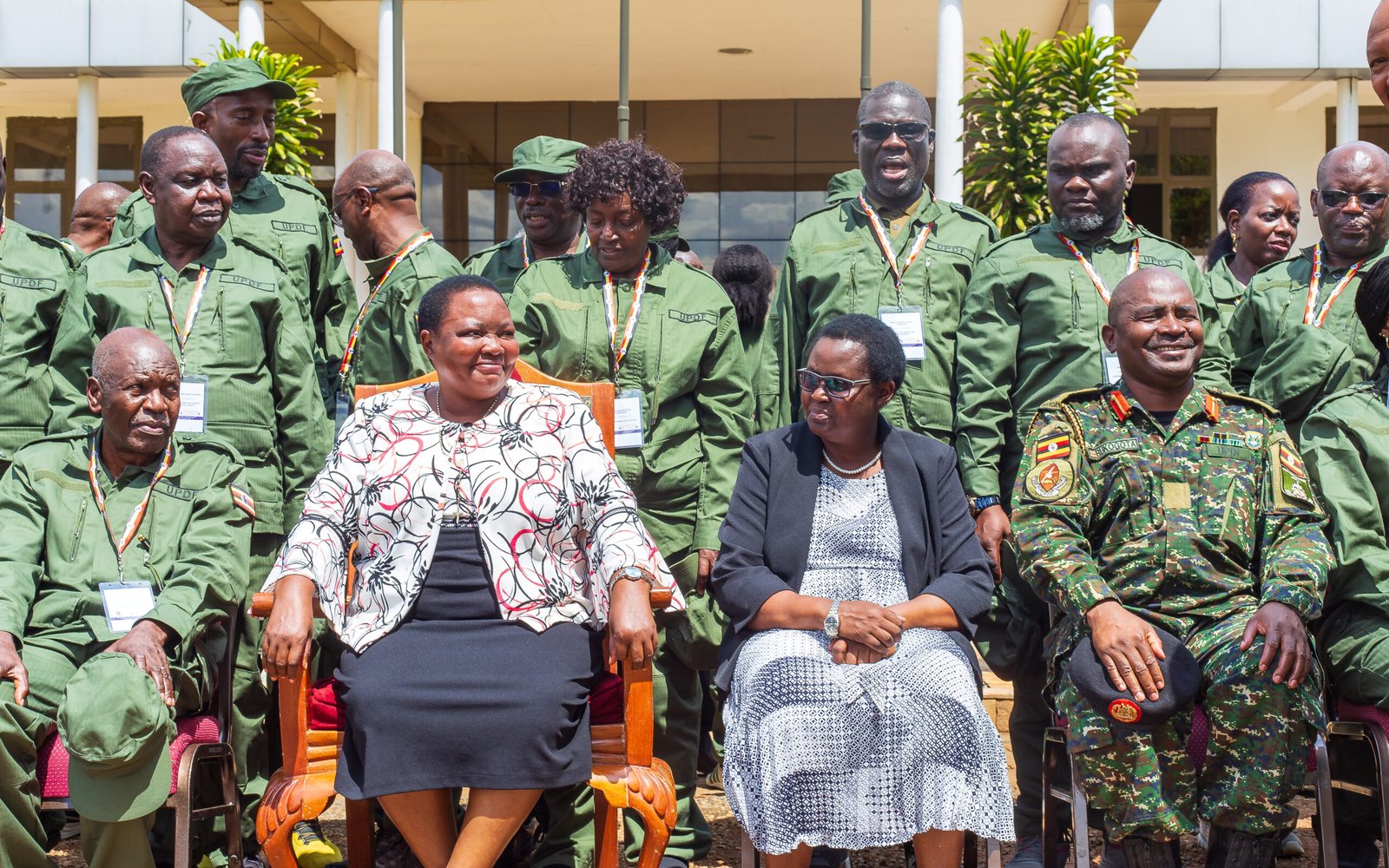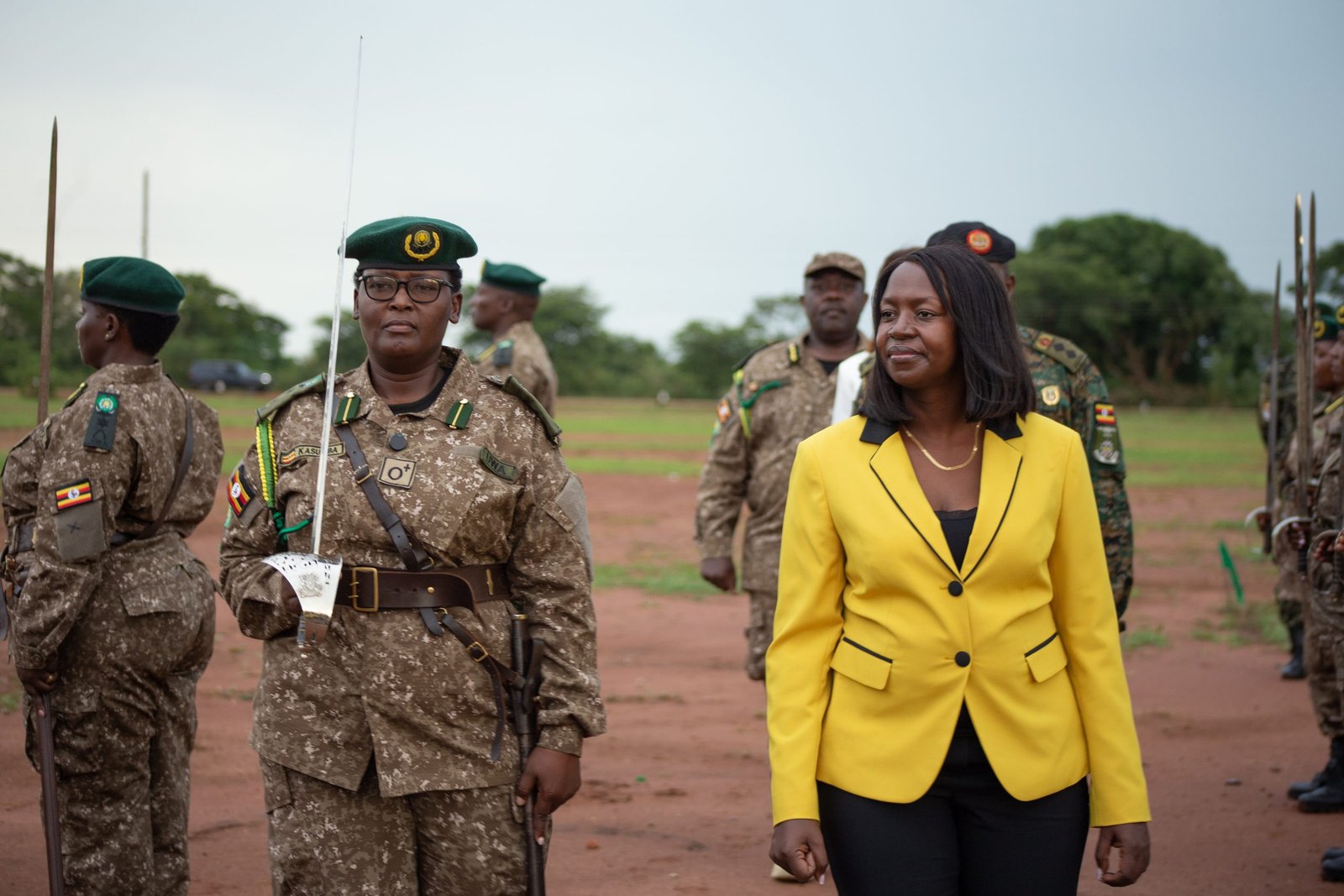
A group of 36 top leaders from the Uganda Wildlife Authority (UWA, completed an intensive two-week Transformative and Leadership Development Training at the National Leadership Institute (NALI) in Kyankwanzi.
The training brought together senior UWA officials to reflect on their leadership responsibilities and acquire the skills needed to manage the Authority and Uganda’s protected areas more effectively. The comprehensive programme covered governance, strategic planning, decision-making, ethics, communication, patriotism, and socio-economic transformation. It also addressed the evolving conservation landscape, focusing on wildlife crime, human-wildlife conflict, and increasing pressures on protected areas.
When the training opened on 13th September, Tourism, Wildlife and Antiquities Minister Hon. Col. (Rtd) Tom Butime challenged UWA managers to go beyond their traditional roles and embrace leadership that supports national development while addressing emerging conservation challenges.
Speaking as the Guest of Honor during the pass out ceremony, Senior Presidential Advisor on Tourism Lily Ajarova emphasized that Uganda’s future must move away from viewing natural resources merely as commodities to consume, treating them instead as natural capital capable of driving socio-economic transformation. She urged UWA leaders to maintain a long-term vision, use natural resources strategically for sustainable development, and serve as change agents within their communities and institutions. She also encouraged officials to translate ideas into action by writing competitive proposals to attract resources for transformative initiatives.
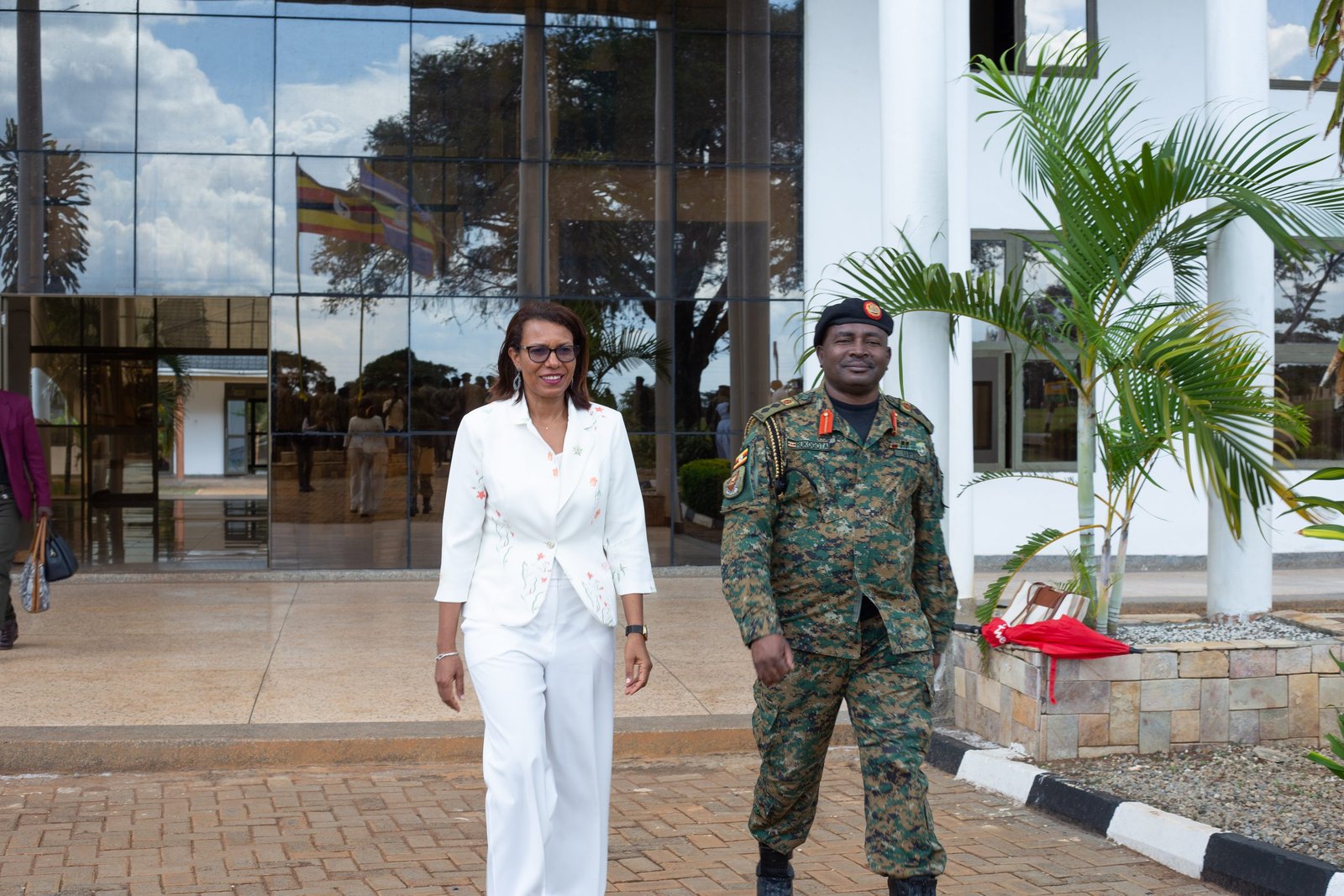
Ajarova further challenged the leaders to strengthen human-wildlife coexistence and ensure communities surrounding protected areas benefit directly from conservation. “That is how we will move from community beneficiaries to community economic partners. We can do it, guys. We can do it,” Ajarova said, highlighting economic opportunities in enterprises, procurement, employment, skills, investment, and markets. She also called for greater adoption of technology to predict wildlife movements, provide early warnings to local communities, improve response systems, and support land-use planning around wildlife corridors to make coexistence safer, more predictable, and economically viable.
The Executive Director of UWA, Dr. James Musinguzi, announced that the Authority will cascade this transformational leadership and ideological training down to staff at the grassroots level. He noted that the course had challenged UWA leaders to adopt new approaches to conservation and resource management, revealing that a second UWA cohort is scheduled to begin training on October 18. Additionally, NALI staff will support ideological, leadership, and human rights training at the UWA training school in Lugaya, Murchison Falls National Park.
“For us to be able to go and do things differently and better, we need to cascade this down to the people on the ground, the foot soldiers,” Dr. Musinguzi said. He underscored UWA’s commitment to putting communities at the center of conservation—transitioning from traditional management to “conservation for prosperity”—and called for a unified national voice to communicate Uganda’s development goals. “We think that is key in us communicating the development agenda for Uganda so that we can move this country to the next level, from a peasant state, a peasant country, to a prosperous nation,” he added.
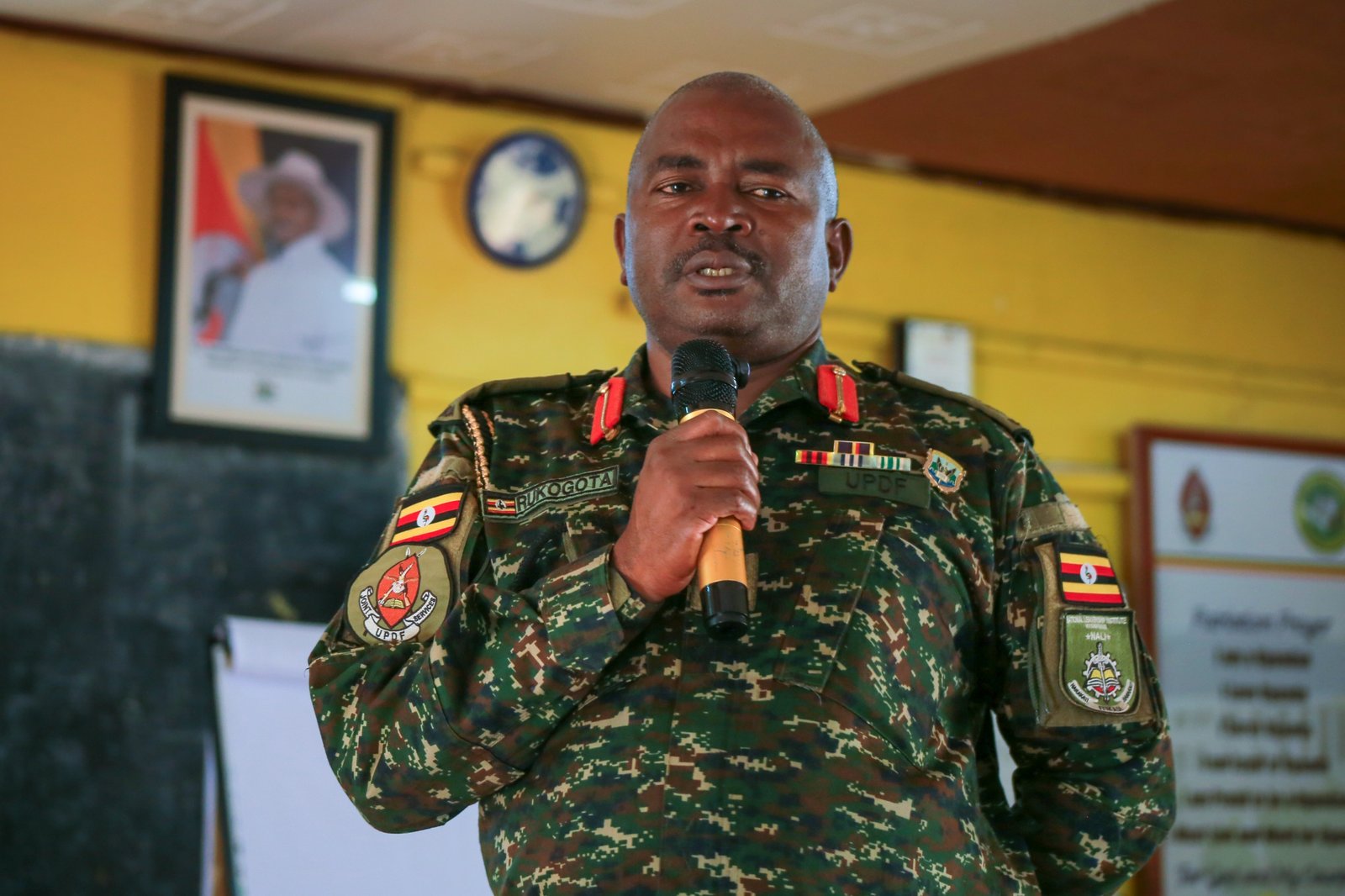
The Director of NALI, Colonel Okei Rukogota, commended the 36 senior leaders for their commitment, enthusiasm, and patriotic spirit throughout both the intellectual and physical components of the training, which encompassed political education, ideological orientation, and military skills.
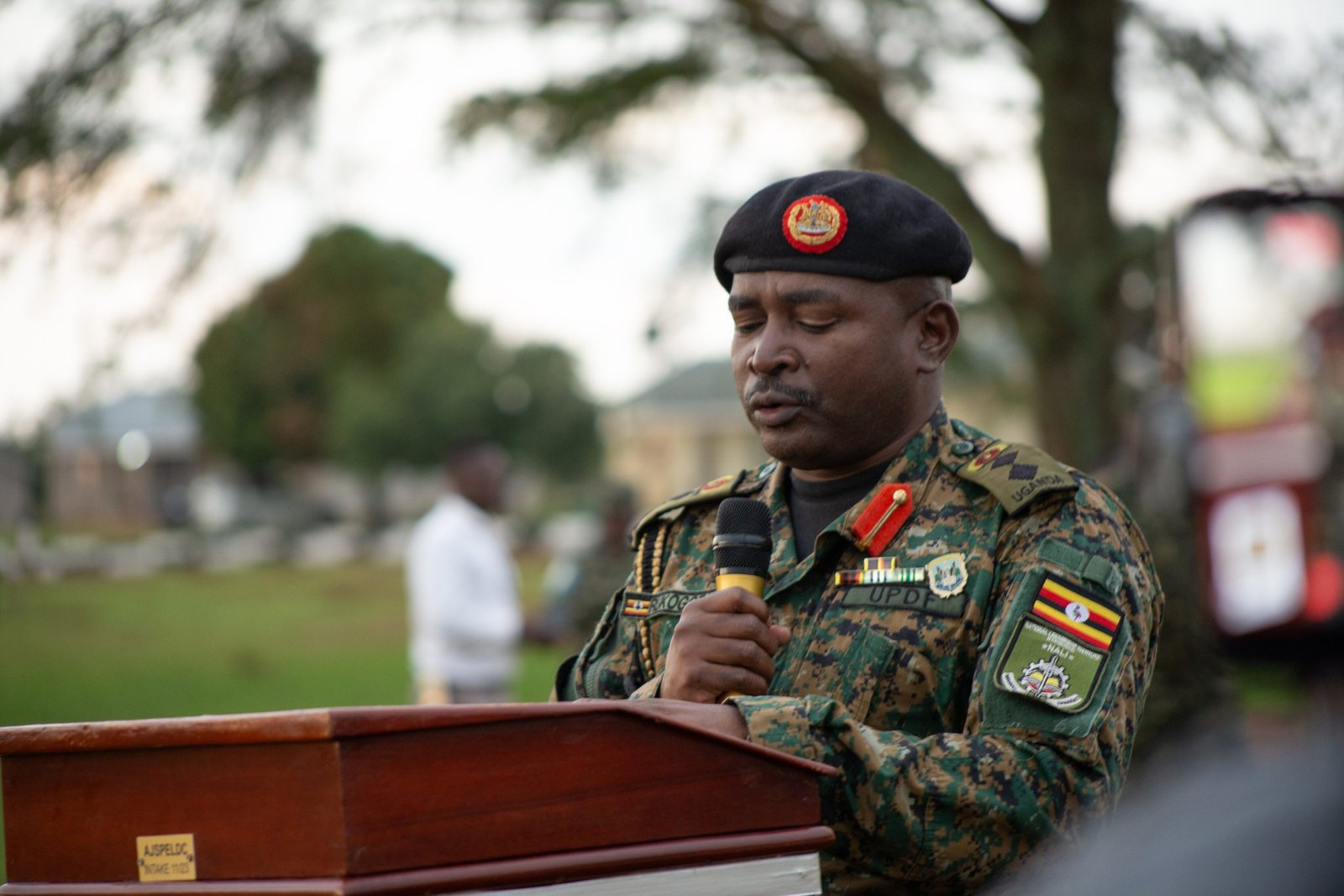
Col. Rukogota urged the graduates to immediately put their training into practice. “Big words, big ideas are not what is going to transform our country. It is action. Ideology that doesn’t guide action is of no value,” he stated. He noted that participants were grounded in Uganda’s development framework, including Vision 2040 and successive National Development Plans, through the support of President Yoweri Kaguta Museveni, NALI’s Chancellor and ideological mentor-in-chief. Col. Rukogota added that UWA leaders have expressed interest in partnering with the UPDF to build capacity for internal political commissars, ensuring ideological instruction becomes a continuous practice within the Authority.
As the 36 officials return to their respective duty stations, the focus now shifts to translating the lessons from Kyankwanzi into tangible results—particularly in enhancing conservation, strengthening wildlife protection, expanding tourism, and fostering economic partnerships with local communities.